 Business License
Types of Abrasives Used in Floor Shot Blasting Machine
In floor shot blasting operation, the abrasive is the “heart” of the machine. Different abrasives will directly influence the cleaning efficiency, roughness profile, dust level, and even machine wear rate. As workshop engineers, we always need to choose the suitable abrasive according to job site conditions, base material hardness, and expected surface finish.
Common Abrasive Types Used in Floor Shot Blasting Machine
1. Steel Shot (High Carbon / Low Carbon Steel Shot)
Steel shot is the most widely used abrasive for heavy-duty floor shot blasting. It has high hardness, long service life, and stable impact force.
Main Features:
High impact energy, good for strong rust removal and thick coating cleaning
Produce medium to deep texture on concrete surface
Long cycle life, can be recycled many times inside blasting machine
Suitable for industrial flooring, warehouse renewal, steel plate cleaning, etc.
Engineer Notes:
For concrete with high hardness or thick epoxy removal, steel shot S330–S390 is commonly used. If need deeper profile, can choose S460 level.
2. Steel Grit (Angular Abrasive)
Steel grit has sharp edges, providing aggressive cutting effect compared with round steel shot.
Main Features:
Higher cutting ability for stubborn contaminants
Create deeper and more uneven surface profile
Suitable for roughening old concrete before new coating
Good for removing thick adhesive, heavy corrosion, and old epoxy mortar
Engineer Notes:
In many renovation projects, we mix steel shot + steel grit to balance surface roughness and abrasive cost.
3. Stainless Steel Shot
Used when customers require non-ferrous finishing or want to avoid iron contamination.
Main Features:
Corrosion resistant, clean and bright blasting effect
Longer life compared to carbon steel shot
Used in food plant floors, pharmaceutical workshops, and stainless steel flooring preparation
Engineer Notes:
Stainless steel shot is expensive, normally used in specific industries only.
Conclusion
Choosing the right abrasive is one of the key factors to ensure blasting efficiency and achieve the expected floor surface profile. In engineering practice, we must consider:
Concrete hardness
Coating thickness
Required roughness level
Machine model and turbine power
Abrasive recycling condition
Good abrasive selection can greatly improve blasting performance, reduce machine wear, and lower operational cost.
Whatsapp+8618765972210
Recently Posted
-
Everything You Need To Know About Integrated Resin Sand Reclamation System
March 11, 2026In modern foundry production, resin sand molding processes are widely used for casting steel, iron, and non-ferrous allo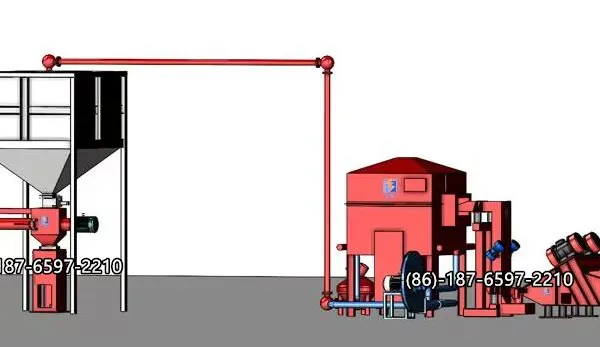 Read More
 -
Understanding the Mechanics and Benefits of Resin Sand Mixing Machine
December 25, 2025Resin sand mixer is a specialized piece of foundry equipment used to uniformly mix sand with liquid resin and a curing (hardening)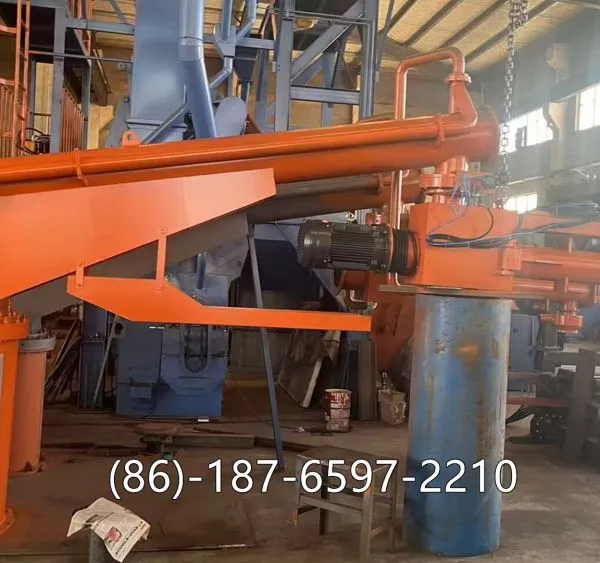 Read More
 -
Everything You Need to Know About Resin Sand Mixing Machine
December 19, 2025As an important equipment in modern foundry production, the resin sand mixing machine plays a key role in ensuring moldi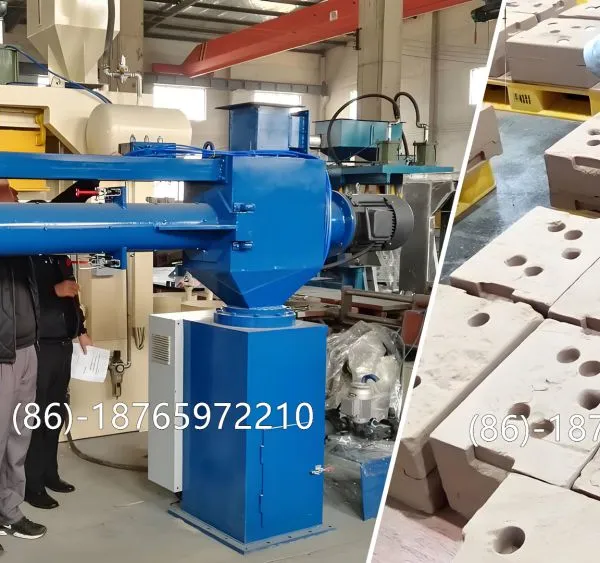 Read More
 -
Key Factors to Consider When Selecting a Phenolic Resin Sand Mixing Machine
December 19, 2025Resin sand mixing machine is a piece of foundry equipment used to uniformly mix raw sand with resin binders and hardeners to produ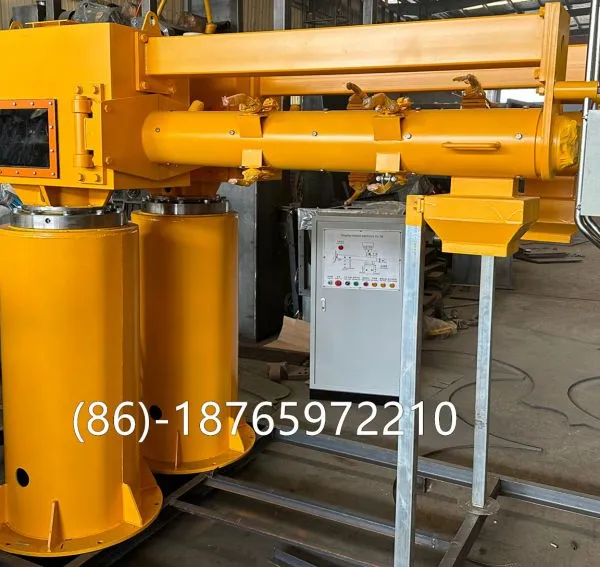 Read More

Contact Us
Recommended Products
-
 Hanger Shot Blasting Machine for Brake Disk Surface CleaningUS$ 2000 - 20000MOQ: 1 Set
 -
Steel Angel Shot Blasting Machine Roller Conveyor TypeUS$ 2000 - 20000MOQ: 1 Set
-
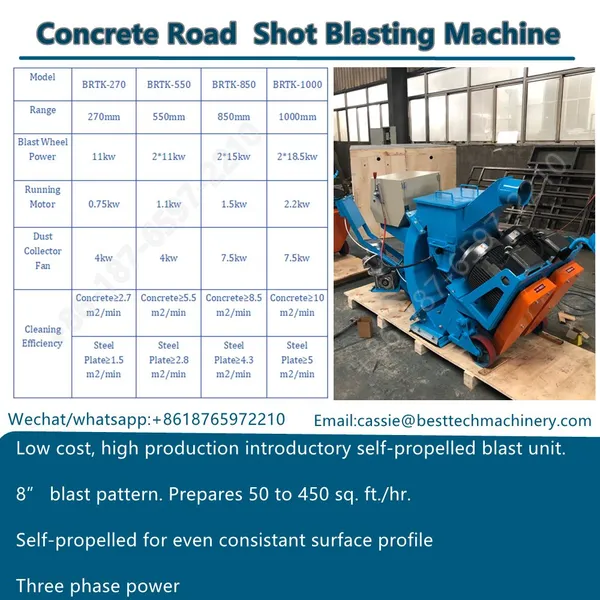
Concrete Road Surface Cleaning Shot Blasting MachineUS$ 2000 - 20000MOQ: 1 Set
-
Crawler Belt Shot Blasting Machine for Nuts and BoltsUS$ 2000 - 20000MOQ: 1 Set
-
Manufacturer Automatic Horizontal Sand Moulding Machine With Sand Mold Rotary LineUS$ 2000 - 50000MOQ: 1 Set
-
1100*1000mm Automatic Sand Molding Machine for Manhole Cover ProductionUS$ 2000 - 50000MOQ: 1 Set
-
Valve Production Multi Piston Sand Molding MachineUS$ 2000 - 20000MOQ: 1 Set
-
China Manufacturer Multi Ram Hydraulic Sand Molding Machine for FoundryUS$ 2000 - 20000MOQ: 1 Set
-
Multi Ram Clay Sand Molding Machine for Foundry PlantUS$ 2000 - 20000MOQ: 1 Set
-
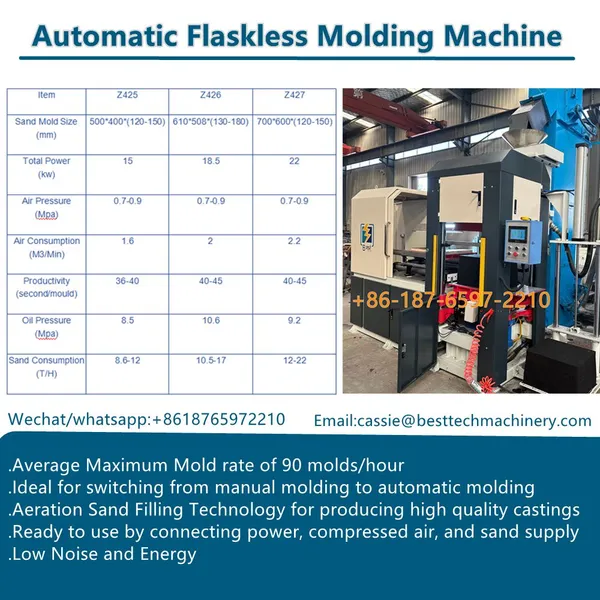
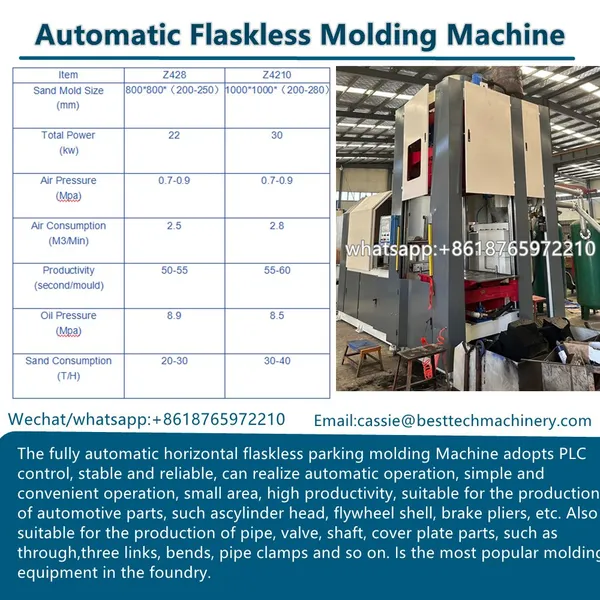
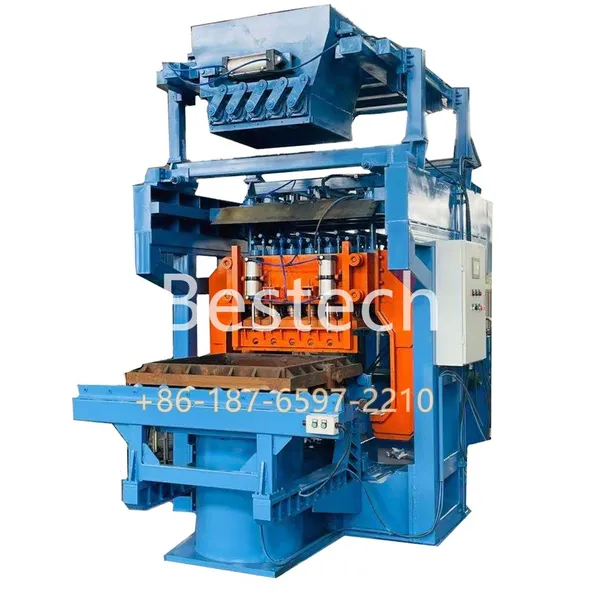
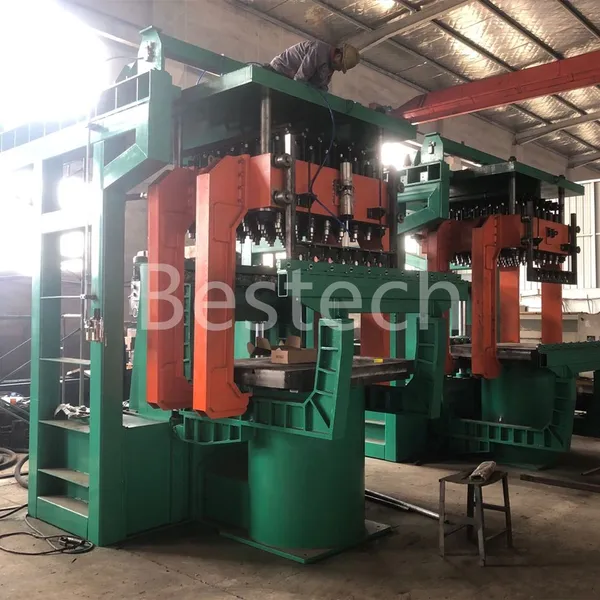
1200*1200 mm Automatic Flaskless Green Sand Moulding MachineUS$ 2000 - 50000MOQ: 1 Set
-
800*700mm Horizontal Automatic Sand Molding Machine for Aluminum CastingsUS$ 2000 - 50000MOQ: 1 Set
-
1000*1000mm Automatic Flaskless Sand Moulding Machine up Lower Shooting SandUS$ 2000 - 50000MOQ: 1 Set
-
1200*1200mm Automatic Flaskless Green Sand Moulding MachineUS$ 2000 - 50000MOQ: 1 Set
-
Multi Piston Hydraulic Green Sand Moulding Machine for Cast Iron ProductionUS$ 2000 - 20000MOQ: 1 Set
-
Multi Ram Hydraulic Green Sand Molding Equipment for Foundry PlantUS$ 2000 - 20000MOQ: 1 Set
-
Foundry Steel Plant Bag Filter Dust Collector With High Temperature Resistance BagsUS$ 2000 - 20000MOQ: 1 Set
-
Reverse Air Baghouse Dust Control System Dust Collector MachineUS$ 2000 - 20000MOQ: 1 Set
-
Steel Sparay Powder Extraction Filter Bag Grinder Dust CollectorUS$ 2000 - 20000MOQ: 1 Set
-
Steel Casting Plant Impulse Bag Dust Remover Dust Collector Welding Dust CollectorUS$ 2000 - 20000MOQ: 1 Set
-
Steel Plant Carbon Cage Bag Economical Removal Central Dust CollectorUS$ 2000 - 20000MOQ: 1 Set