 Business License
Considerations to Note for Choosing Rolling Drum Shot Blasting Machine
Rolling drum shot blasting machine is a type of surface cleaning equipment specially designed for small and medium-sized workpieces that can tumble freely during the blasting process. The machine uses a rotating drum to continuously turn the parts while high-speed steel shots from the blast turbines impact the surface to remove rust, sand, scale, burrs, and surface contaminants.
Practical Considerations You Should Note Before Making The Decision
When selecting a Rolling drum shot blasting machine, many customers only focus on price or blasting capacity. However, for a foundry or metal processing plant, the right machine must match the workpiece characteristics, production rhythm, and equipment reliability.
1. Workpiece Type and Drum Structure Compatibility
The rolling drum shot blasting machine is mainly suitable for:
Small to medium-sized castings
Forgings
Heat-treated parts
Parts not afraid of collision
Before choosing, the user must confirm:
Drum size: Larger diameter = smoother tumbling; smaller diameter = higher productivity for small parts.
Drum shape: Hexagonal drum design gives better tumbling but needs careful workpiece compatibility check.
Workpiece maximum dimension & weight: Ensure enough space for turning without jamming.
2. Blasting Efficiency and Turbine Shot Blaster Configuration
Blasting performance mainly depends on:
Number of blast wheels
Power of each turbine
Shot flow rate
Blast pattern coverage
Engineer point of view:
A good design must ensure uniform shot distribution inside the drum. Even if the machine uses high horsepower turbines, wrong shot direction or poor drum geometry will still cause uneven cleaning results.
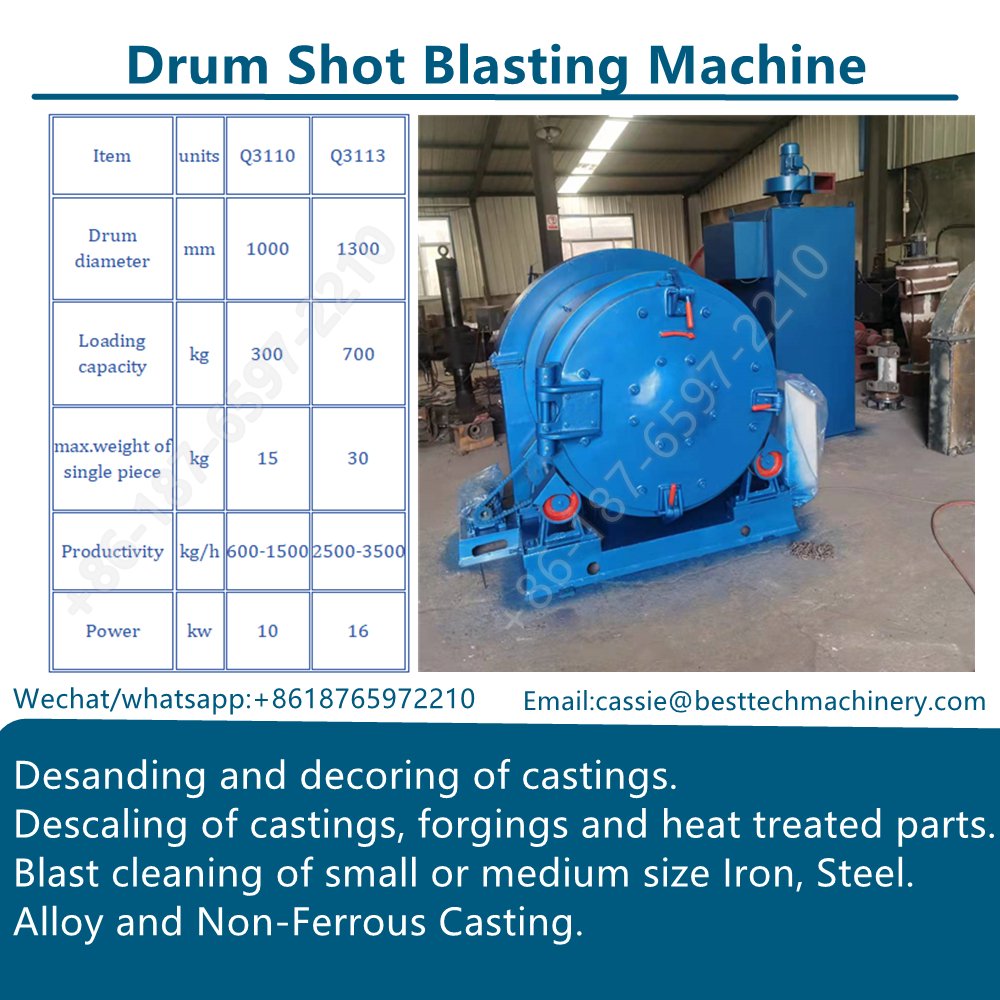
3. Wear Resistance and Drum Material Selection
The drum is the most critical wear component.
Common options:
Mn13 high manganese steel
Cast alloy liner plates
Rubber-lined drum (for less aggressive applications)
For long-term stability, the machine should use wear-resistant materials at:
Drum inner wall
Separation unit
Shot circulation system
Wear guard plates near the blast wheel
Good wear design reduces downtime and maintenance cost.
4. Shot Circulation and Separation Quality
Stable blasting requires clean and continuous abrasive circulation.
Key technical points:
Air separator efficiency (removes dust, sand, and broken shots)
Elevator lifting capacity
Screw conveyor speed matching
Abrasive storage hopper stability
If separation is poor, dust and contaminants will damage the turbine blades quickly.
5. Dust Collector Performance
The blasting process creates large amounts of dust. A high-efficiency dust collector is essential.
Recommend to choose:
Cartridge dust collector with large filtration area
Pulse jet cleaning for stable suction
Easily replaceable filter elements
Good dust control ensures clean workshop environment and longer machine service life.
6. Loading/Unloading Method and Automation Level
Choose based on production requirements:
Manual loading (small batches)
Hydraulic lift loading
Automatic feeding conveyor
Integrated production line connection
Higher automation reduces labor intensity and improves consistency.
7. Safety and Maintenance Convenience
Important but often overlooked:
Maintenance access doors
Safety interlock switches
Wear parts replacement time
Monitoring windows
Emergency stop design
A machine with proper maintenance space saves many hours every month.
8. Manufacturer Experience and After-Sales Support
Rolling drum shot blasting machine seems simple, but engineering design varies greatly.
Before purchase, confirm:
Years of experience in drum-type blasting machine
Availability of spare parts
Engineering drawings and structural design strength
On-site commissioning and training service
A reliable supplier ensures stable production after installation.
Conclusion
Selecting a Rolling Drum Shot Blasting Machine is not only about capacity or price. You must consider workpiece characteristics, blasting efficiency, wear protection quality, dust-removal system, automation level, and after-sales support. A well-chosen machine will provide stable and efficient surface cleaning with long service life.
Whatsapp+8618765972210
Recently Posted
-
Everything You Need To Know About Integrated Resin Sand Reclamation System
March 11, 2026In modern foundry production, resin sand molding processes are widely used for casting steel, iron, and non-ferrous allo Read More
 -
Understanding the Mechanics and Benefits of Resin Sand Mixing Machine
December 25, 2025Resin sand mixer is a specialized piece of foundry equipment used to uniformly mix sand with liquid resin and a curing (hardening) Read More
 -
Everything You Need to Know About Resin Sand Mixing Machine
December 19, 2025As an important equipment in modern foundry production, the resin sand mixing machine plays a key role in ensuring moldi Read More
 -
Key Factors to Consider When Selecting a Phenolic Resin Sand Mixing Machine
December 19, 2025Resin sand mixing machine is a piece of foundry equipment used to uniformly mix raw sand with resin binders and hardeners to produ Read More

Contact Us
Recommended Products
-
 Hanger Shot Blasting Machine for Brake Disk Surface CleaningUS$ 2000 - 20000MOQ: 1 Set
 -
Steel Angel Shot Blasting Machine Roller Conveyor TypeUS$ 2000 - 20000MOQ: 1 Set
-
Concrete Road Surface Cleaning Shot Blasting MachineUS$ 2000 - 20000MOQ: 1 Set
-
Crawler Belt Shot Blasting Machine for Nuts and BoltsUS$ 2000 - 20000MOQ: 1 Set
-
Manufacturer Automatic Horizontal Sand Moulding Machine With Sand Mold Rotary LineUS$ 2000 - 50000MOQ: 1 Set
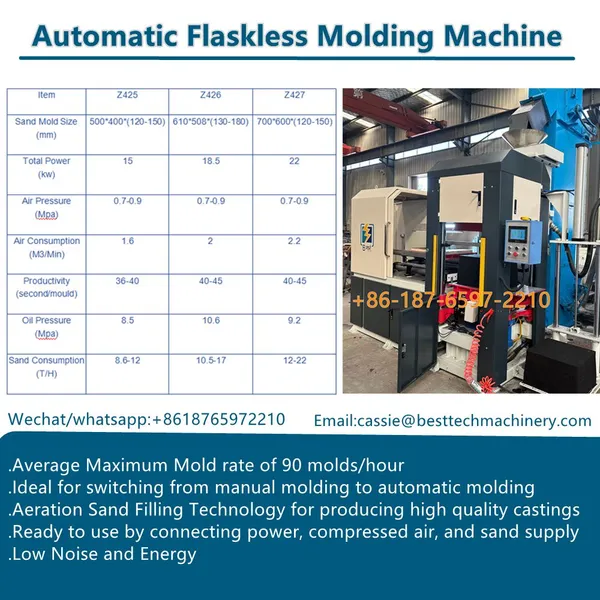
-
1100*1000mm Automatic Sand Molding Machine for Manhole Cover ProductionUS$ 2000 - 50000MOQ: 1 Set
-
Valve Production Multi Piston Sand Molding MachineUS$ 2000 - 20000MOQ: 1 Set
-
China Manufacturer Multi Ram Hydraulic Sand Molding Machine for FoundryUS$ 2000 - 20000MOQ: 1 Set
-
Multi Ram Clay Sand Molding Machine for Foundry PlantUS$ 2000 - 20000MOQ: 1 Set
-
1200*1200 mm Automatic Flaskless Green Sand Moulding MachineUS$ 2000 - 50000MOQ: 1 Set
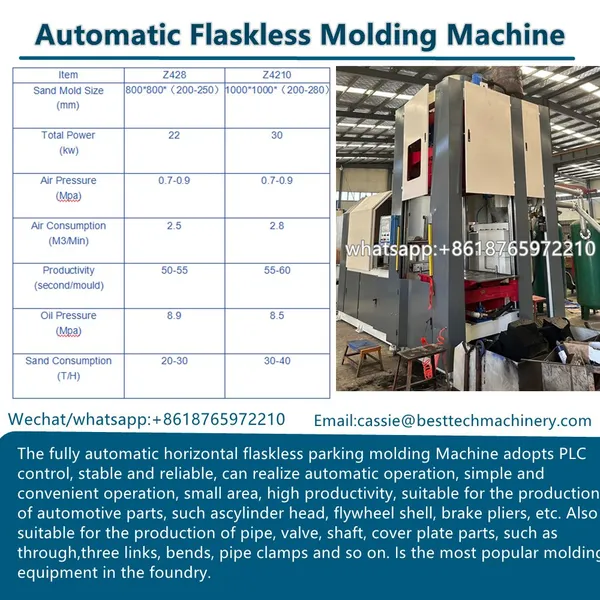
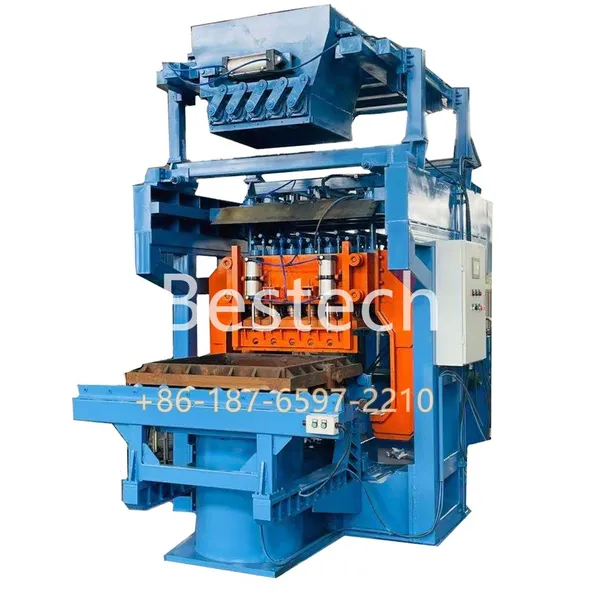
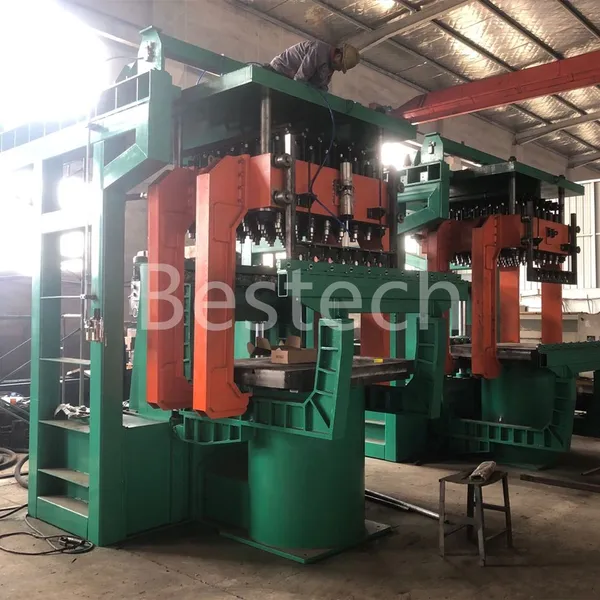
-
800*700mm Horizontal Automatic Sand Molding Machine for Aluminum CastingsUS$ 2000 - 50000MOQ: 1 Set
-
1000*1000mm Automatic Flaskless Sand Moulding Machine up Lower Shooting SandUS$ 2000 - 50000MOQ: 1 Set
-
1200*1200mm Automatic Flaskless Green Sand Moulding MachineUS$ 2000 - 50000MOQ: 1 Set
-
Multi Piston Hydraulic Green Sand Moulding Machine for Cast Iron ProductionUS$ 2000 - 20000MOQ: 1 Set
-
Multi Ram Hydraulic Green Sand Molding Equipment for Foundry PlantUS$ 2000 - 20000MOQ: 1 Set
-
Foundry Steel Plant Bag Filter Dust Collector With High Temperature Resistance BagsUS$ 2000 - 20000MOQ: 1 Set
-
Reverse Air Baghouse Dust Control System Dust Collector MachineUS$ 2000 - 20000MOQ: 1 Set
-
Steel Sparay Powder Extraction Filter Bag Grinder Dust CollectorUS$ 2000 - 20000MOQ: 1 Set
-
Steel Casting Plant Impulse Bag Dust Remover Dust Collector Welding Dust CollectorUS$ 2000 - 20000MOQ: 1 Set
-
Steel Plant Carbon Cage Bag Economical Removal Central Dust CollectorUS$ 2000 - 20000MOQ: 1 Set